
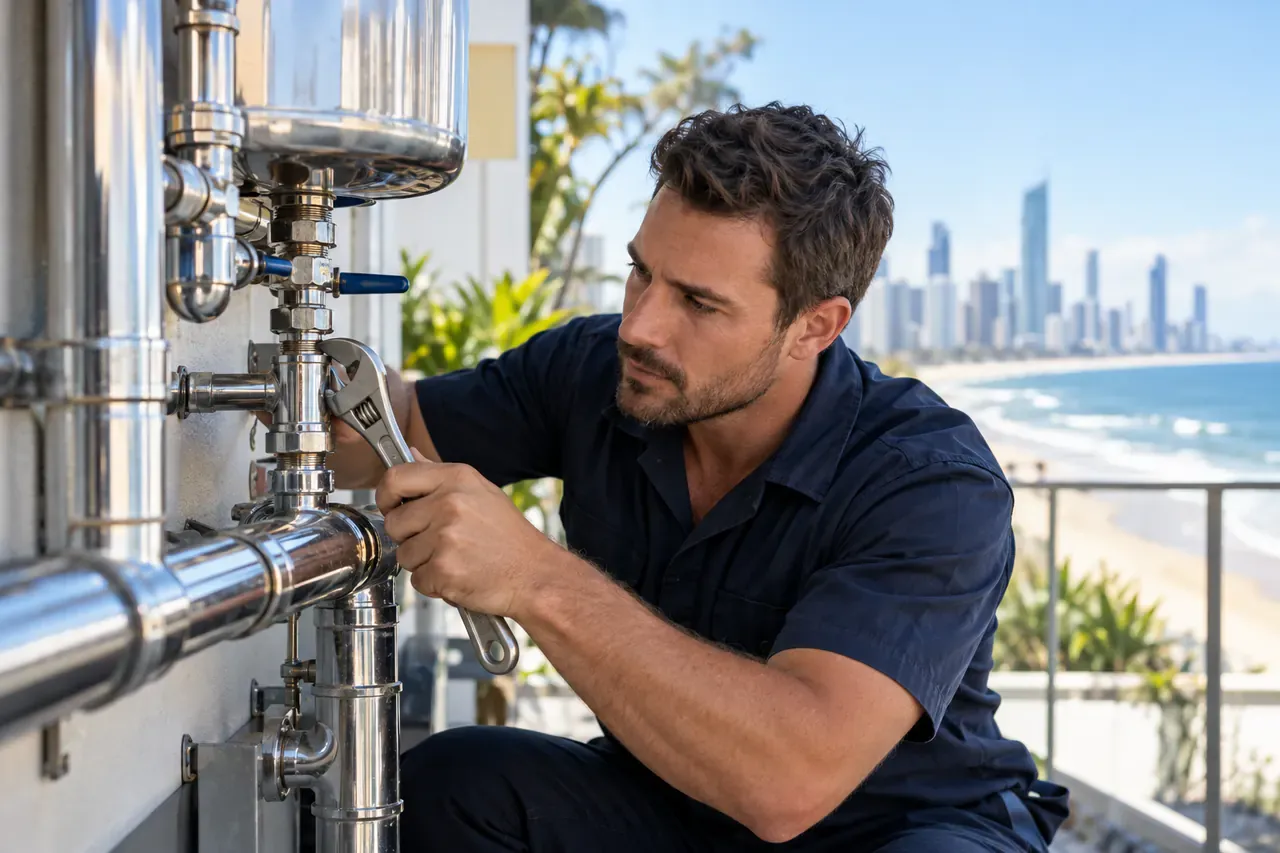
Emergency Plumber Gold Coast Hinterland
Emergency plumber in the Gold Coast Hinterland: the short answer
An emergency plumber in the Gold Coast Hinterland has to be comfortable with two kinds of property: town-serviced homes in Nerang and Carrara, and acreage in Mudgeeraba, Tallebudgera Valley and Bonogin that runs on rainwater tanks, pressure pumps and septic or aerated wastewater systems. Emergency work is $130-170 an hour at any hour with no separate call-out fee. What fails most out here is the private kit: pumps, filters, long pipe runs across clay and rock, and absorption trenches that flood in the wet season. Send the form with your suburb and whether you are on town water, and a licensed local plumber replies as soon as one is available.
Updated 8 October 2026
- Postcodes
- 4211 (Nerang, Carrara), 4213 (Mudgeeraba), 4228 (Tallebudgera)
- Region
- Gold Coast Hinterland: Nerang, Carrara, Mudgeeraba, Tallebudgera Valley, Bonogin, Advancetown, Canungra and Tamborine Mountain
- Water and sewer
- City of Gold Coast on town-serviced streets, faults 1300 000 928 (24 hours); tanks and septic on acreage
- Gas network
- Allgas where reticulated; most acreage homes use bottled LPG. Leaks 1800 427 532; strong smell 000
- Emergency rate
- $130-170 an hour, any hour, no call-out fee
- Housing
- 1970s to 90s homes and canal lots in Nerang and Carrara; village, estate and acreage homes in Mudgeeraba; acreage in Tallebudgera Valley, most on tanks and septic

Emergency Plumbing in the Gold Coast Hinterland
The hinterland covers Nerang, Carrara, Mudgeeraba, Tallebudgera Valley, Bonogin, Advancetown, Canungra and Tamborine Mountain. Acreage homes run on rainwater tanks, bore pumps and septic or aerated wastewater systems, and the wet season from December to March is when septic and stormwater problems peak.
Hinterland plumbing is different from the coast. Many properties are not connected to town water or sewer, so the plumber deals with tanks, pumps, filters and septic or treatment systems rather than mains and council sewers. Long private pipe runs cross clay, rock and tree roots, and the wet season from December to March brings the bulk of emergencies: flooded absorption trenches, overwhelmed stormwater, and pumps that fail when the power drops. Nerang and Carrara are on town services and behave more like the central coast, with older brick homes and canal lots along the Nerang River.
What usually fails here
- Septic tanks, aerated wastewater treatment systems and absorption trenches that fail after heavy rain
- Rainwater tanks, pressure pumps and UV filters that leave the house with no water when they stop
- Long private water and sewer runs across clay and rock that crack with ground movement
- Storm-season stormwater overloading gutters, downpipes and surface drains on sloping blocks
Why hinterland plumbing is different from the coast
Drive west from the coast and the plumbing changes before the scenery does. Nerang and Carrara are on City of Gold Coast water and sewer, with 1970s to 90s brick homes and canal lots along the Nerang River, so an emergency there is familiar: copper bursting at a fitting, a clay drain full of roots, a hot water unit rusting through. Past Mudgeeraba village, up Springbrook Road and into Bonogin and the Tallebudgera Valley, the council pipes stop and properties make their own water from the roof and treat their own wastewater on site.
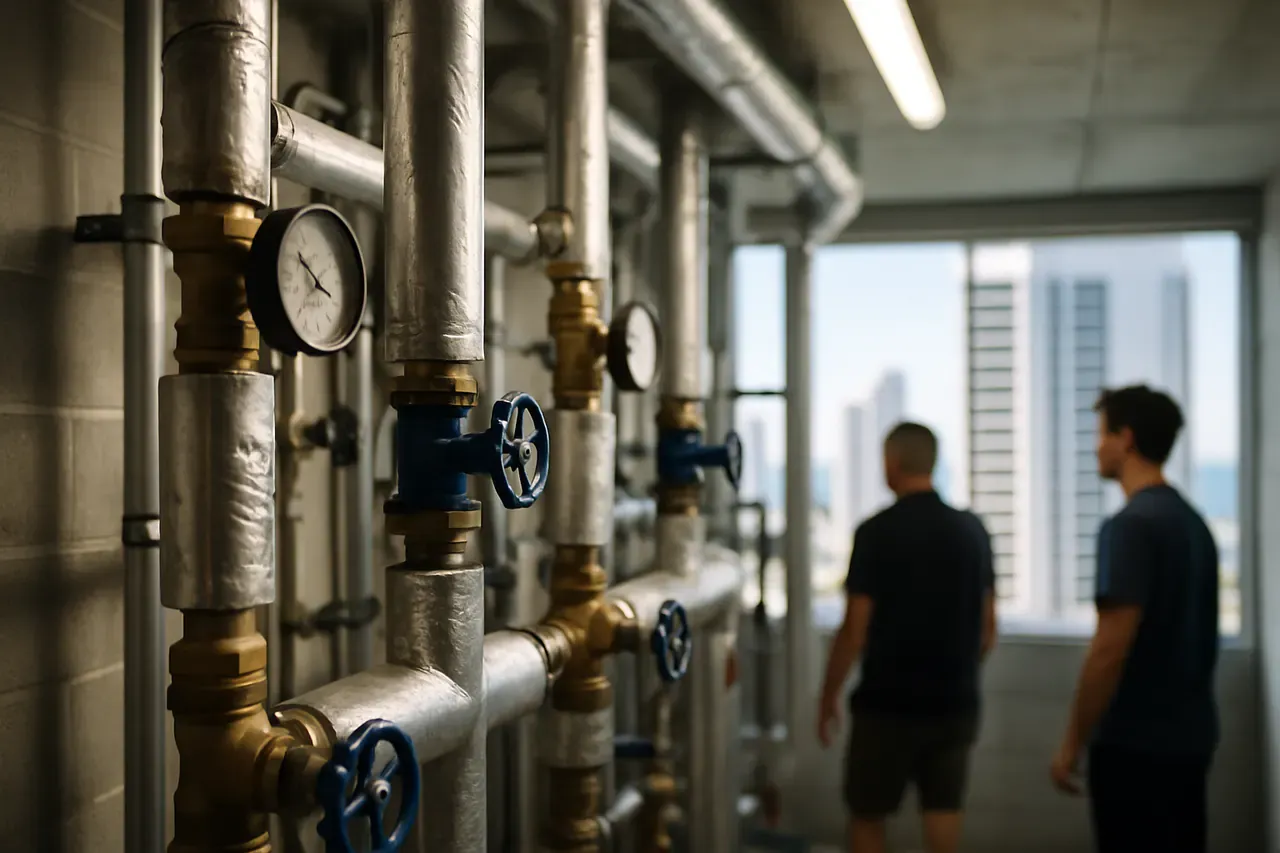
That means an emergency plumber in the hinterland works on rainwater tanks, pressure pumps, UV and sediment filters, septic tanks, aerated treatment systems and absorption trenches as well as the usual taps, drains and hot water. The pipe runs are long and private, often a hundred metres or more from the tank or the meter to the house, across clay, rock and tree roots. A plumber who only works the coast may not carry pump parts, so say what kind of property you have in the first message.
The wet season from December to March is when the hinterland is busiest. Valleys hold water for weeks after heavy rain, absorption trenches flood, gutters and surface drains on sloping blocks overflow, and pumps stop when the power drops in a storm.
Town water or tank water: the first thing to tell an emergency plumber
- Town water and sewerSay whether the leak is before or after the water meter, and whether the meter is spinning with every tap off.
- Tank and septicSay whether you have a septic tank with trenches or an aerated unit with an alarm panel, and whether the water pump is running, humming or silent.
- AccessLong driveways, locked gates, a creek crossing or a road that floods are worth a line. The plumber tells you how long the trip will take before anything is agreed.
On a town-serviced street the City of Gold Coast owns the water main and the meter. The City fixes leaks in the supply up to and including the meter and repairs its sewer network around the clock; faults, leaks on public land and sewage spills go to 1300 000 928, 24 hours. Everything on the house side of the meter, and the private drain out to the council connection, is the owner's and is what a licensed plumber repairs.
On acreage there is no meter and no council sewer. The tank, pump, filters, pipe to the house, septic or treatment unit and trenches are all private. The City regulates these as on-site sewerage facilities, so a new system needs council approval and aerated units have servicing requirements, but repairs are yours to arrange.
No water at all: tanks, pumps and filters
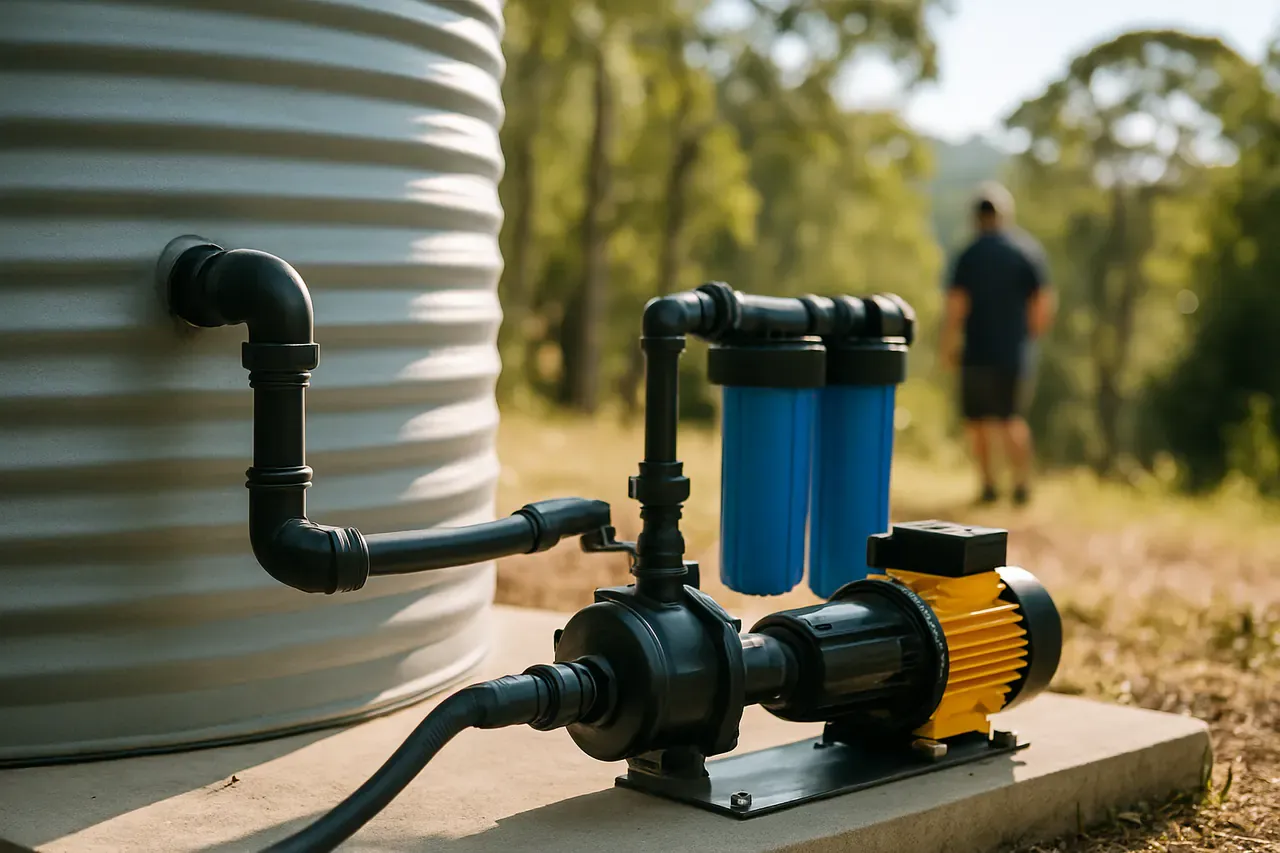
The classic hinterland emergency is not a flood but a dry tap. A pressure pump that has stopped, a pressure switch that has stuck, a burst in the line from the tank or a filter housing cracked by the sun will leave the whole property without water. Before you send the form, check three things: is the power on at the pump, is there water in the tank, and is anything hissing or spraying along the line.
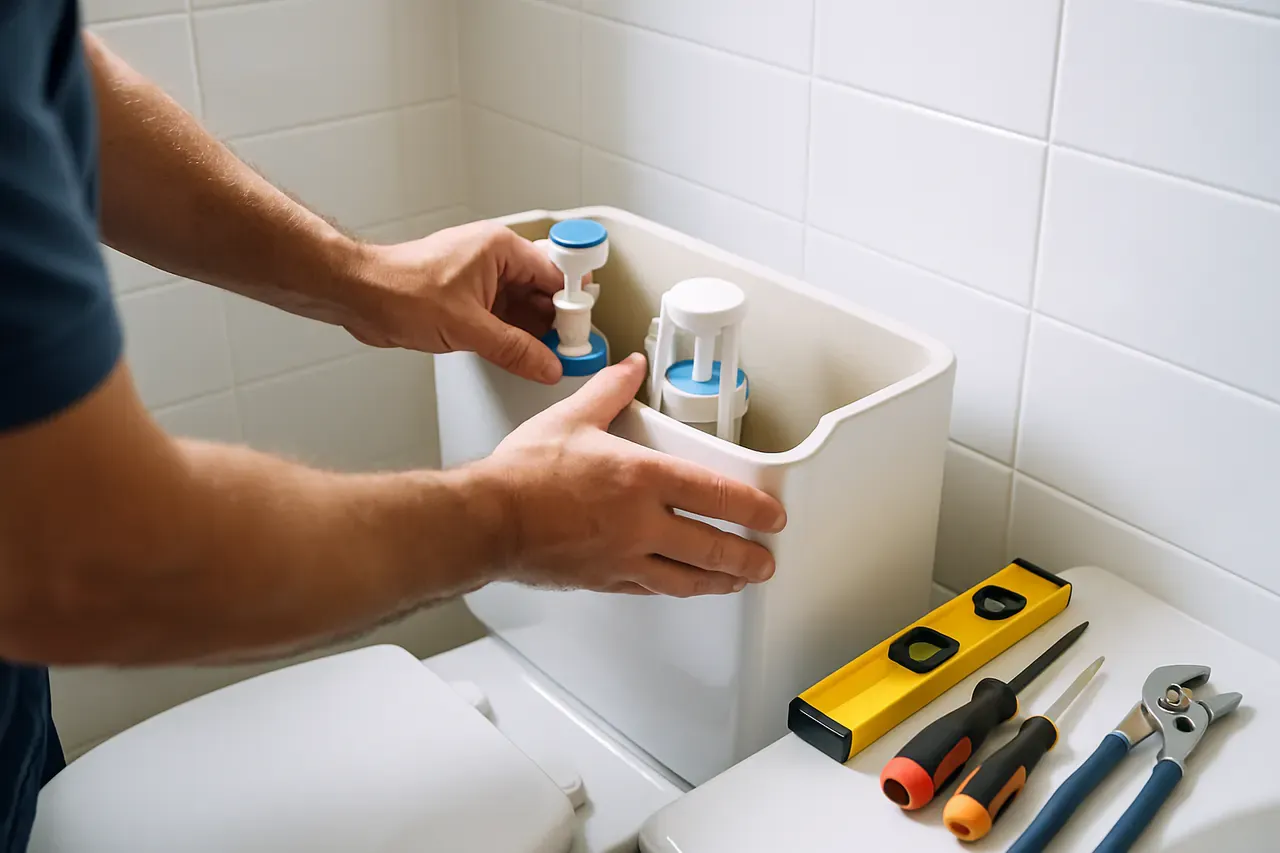
If the pump short-cycles every few seconds, the pressure tank bladder has usually failed or there is a leak downstream. If it runs constantly and the pressure never builds, suspect a burst in the pipe to the house or a tank running dry. If it is silent and the breaker has not tripped, the motor or controller has gone. An emergency plumber who works acreage carries the common pump parts and can fit a replacement pump, pressure switch, controller, UV lamp or filter cartridge.
- Pressure pump replacement$650-1,500
- Burst pipe repair (visible pipe)$200-450
- Hidden leak detection and repair$350-800
- Hot water repair (element or thermostat)$200-400
2026 reference ranges. Full price list and price estimator →
Septic tanks and treatment systems in the wet season
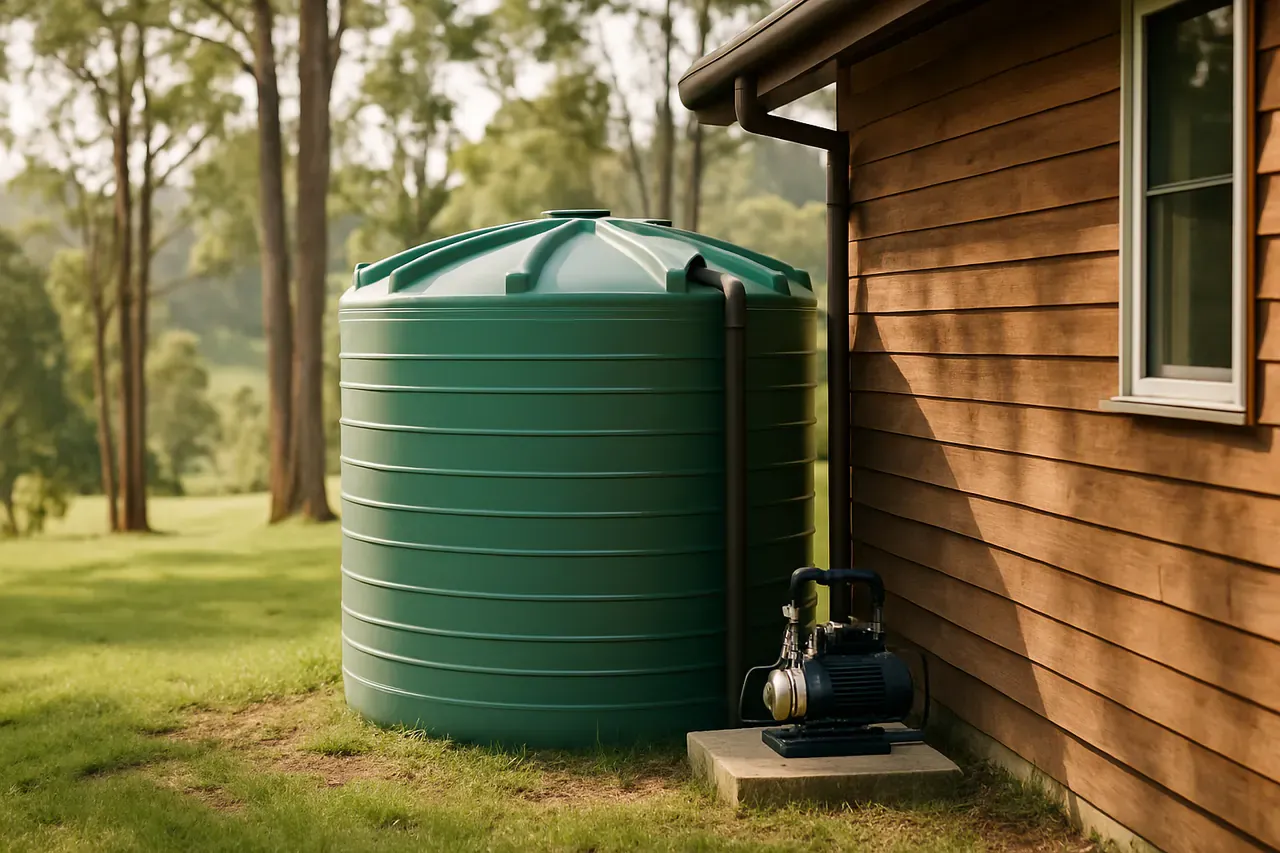
A septic tank only works if the trenches around it can drain, and a treatment system only works if its pump and air blower are running. After a week of rain the soil in a hinterland valley is saturated, the trenches cannot absorb any more, and the tank fills until the lowest shower or floor waste in the house backs up. The smell arrives before the water does. If the alarm on an aerated unit is sounding, the blower, irrigation pump or float switch has stopped.
What an emergency plumber can do on the night is clear the house drain to the tank, pump the tank down, replace a failed pump, blower or float, and tell you honestly whether the trenches have failed or are just waterlogged. A trench that fails every wet season needs a conversation with the council about an upgrade. Keep water use to a minimum until the system recovers, and keep vehicles off the trench area.
Long pipe runs, roots and storms on sloping blocks
Between the tank or the meter and the house, a hinterland property can have a long private pipe laid decades ago in whatever trench the ground allowed. Clay swells and shrinks, the pipe grinds against rock, and tree roots follow the moisture to every joint. The first sign of a break is a soft green patch in a dry paddock, a pump that will not stop, or a water bill that has doubled on a metered property. Finding the break is half the job, and an emergency plumber with a listening device or a camera gets there with far less digging.
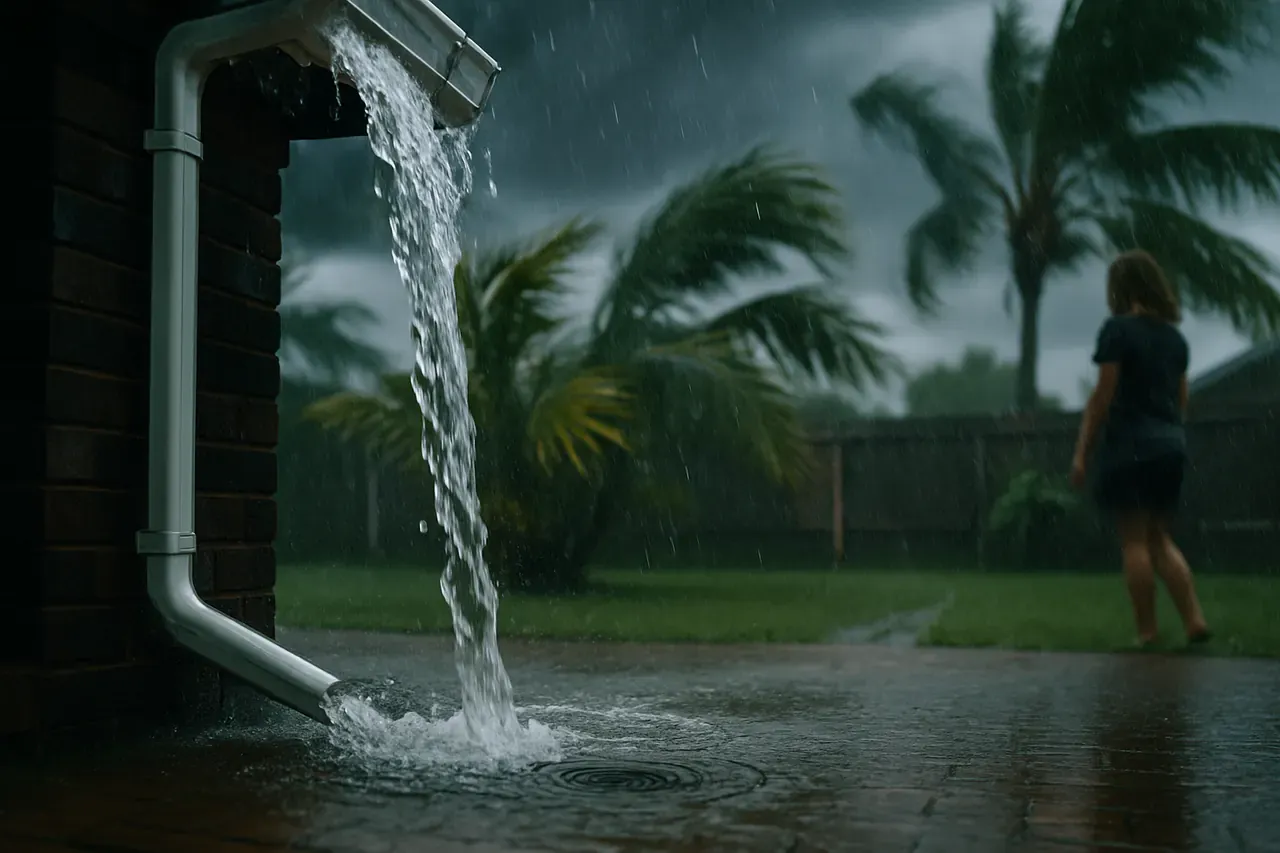
Creek-side figs and camphor laurels send roots into clay and PVC drains alike; a drain that blocks every few months is a root problem, and clearing it buys time until the section is cut out or relined. Afternoon storms build inland in spring and summer, and a gutter or surface drain that cannot cope sends water through the garage on the downhill side of the house. SES storm and flood help is on 132 500; the Bureau of Meteorology issues the warnings for Queensland.
What an emergency plumber costs in the hinterland
The rate is the same across the Gold Coast: $130-170 an hour for emergency work at any hour, with no separate call-out fee and no weekend or night surcharge. Non-urgent after-hours work is $190-320 an hour. Hinterland jobs can involve a long drive and a long walk to the pump shed, so the plumber tells you how long the trip will take and what the likely job is before anything is agreed; parts such as a pump, a UV lamp or a septic pump-out are quoted on top.
Typical jobs: replacing a pressure pump $650-1,500; a septic pump-out $700-1,600; clearing a blocked drain $150-400; a camera inspection $220-350; relining a cracked section $400-650.
- Pressure pump replacement$650-1,500
- Septic system pump replacement$700-1,600
- Blocked drain clearance$150-400
- CCTV drain inspection$220-350
- Sewer relining (per metre)$400-650
2026 reference ranges. Full price list and price estimator →
Suburbs in the Gold Coast Hinterland
Emergency plumber Nerang
The gateway town: 1970s to 90s homes around the station, canal lots at Riverhills and River Downs, the industrial estate and acreage toward Advancetown and Gilston.
Emergency plumber Carrara
Flat and low on the Nerang River, with 1980s and 90s homes around Emerald Lakes and the golf courses, and river flooding in the wet season.
Emergency plumber Mudgeeraba
The hinterland village, with estates on the Robina side and acreage on tanks and septic toward Bonogin and Springbrook Road.
Emergency plumber Tallebudgera
A green valley along the creek where almost every property runs its own water and wastewater systems.
Bonogin
Acreage and rural-residential blocks behind Mudgeeraba, on tanks, pumps and septic or aerated systems.
Advancetown, Canungra and Tamborine Mountain
Further west and up the range: rural and mountain homes on tank water, where long drives and storm-cut roads are part of the job.
Official sources: City of Gold Coast: water and sewage problems (report leaks on public land, meter faults and sewage spills, 24 hours) · City of Gold Coast: on-site sewerage facilities (approvals and servicing rules for septic and aerated systems) · QBCC: find a licensed contractor (check a plumber's or gas fitter's licence before work starts) .
Plumbing Emergency in the Hinterland? What to Do Right Now
Pick what is happening. These are the safe first steps for the next five minutes, before the plumber arrives.
General guidance only. If anyone is in danger, ring 000.
Emergency Plumber by Suburb in the Hinterland
Emergency plumber Nerang
4211
1970s to 90s copper and galvanised pipework bursting in older homes
Suburb guideEmergency plumber Carrara
4211
1980s and 90s copper pipework failing at fittings and under slabs
Suburb guideEmergency plumber Mudgeeraba
4213
Acreage properties with rainwater tanks, pumps, filters and septic or aerated systems failing
Suburb guideEmergency plumber Tallebudgera
4228
Rainwater tanks, pressure pumps and UV filters failing and leaving the house without water
Suburb guide
Get Hinterland Plumbing Ready for the Storm Season
Valleys hold water for weeks after heavy rain, and absorption trenches, pumps and stormwater drains fail first. Work through the list before the first big summer storm; the Bureau of Meteorology publishes Queensland warnings and the Queensland SES helps with storm and flood damage on 132 500.
Services Across the Hinterland
All services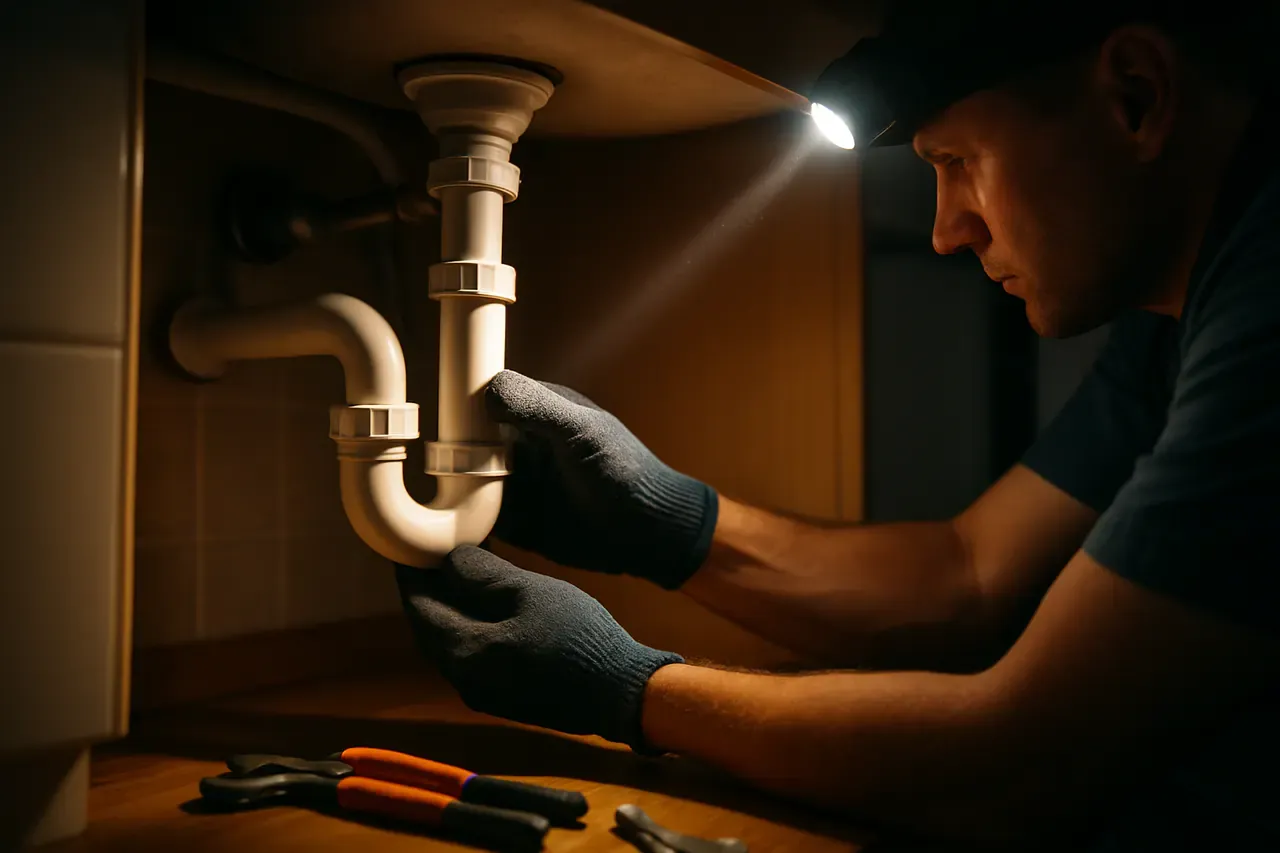
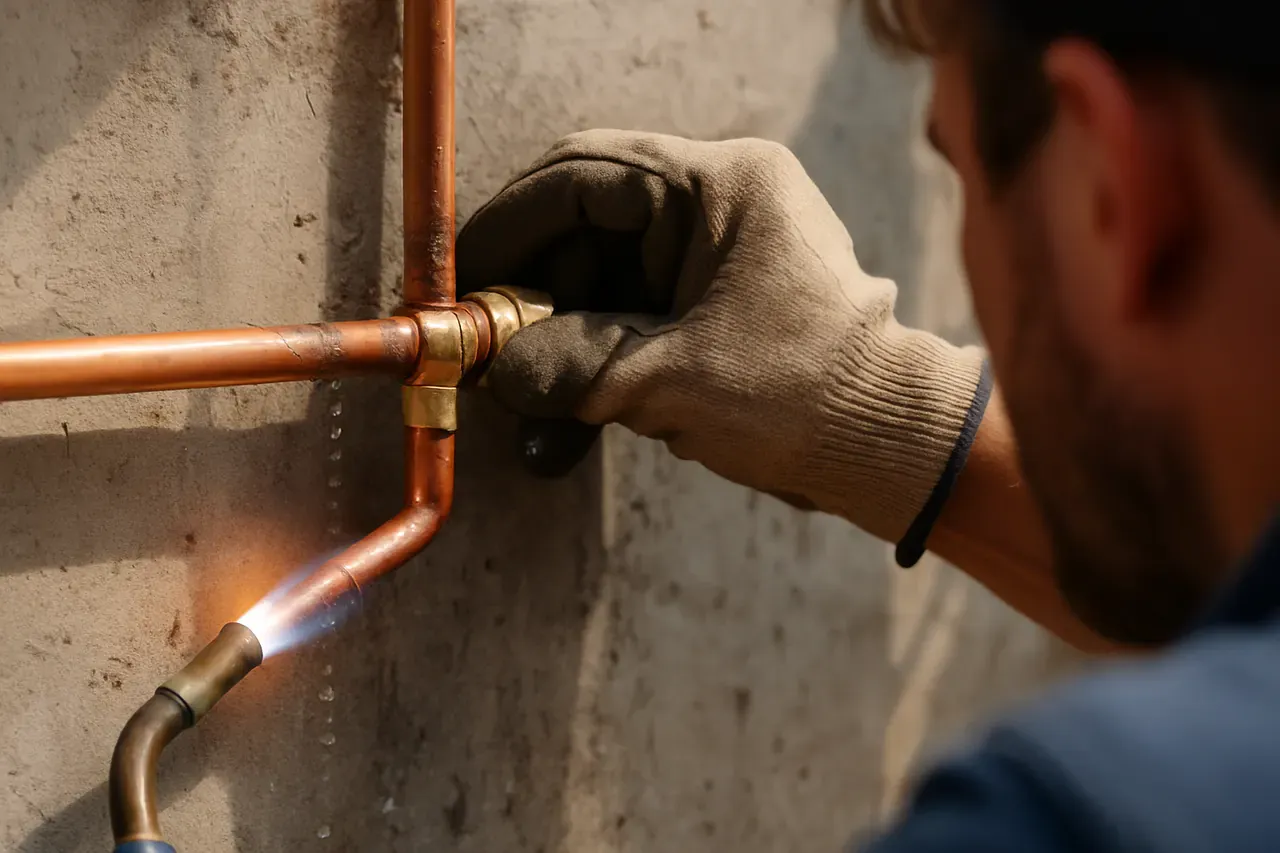
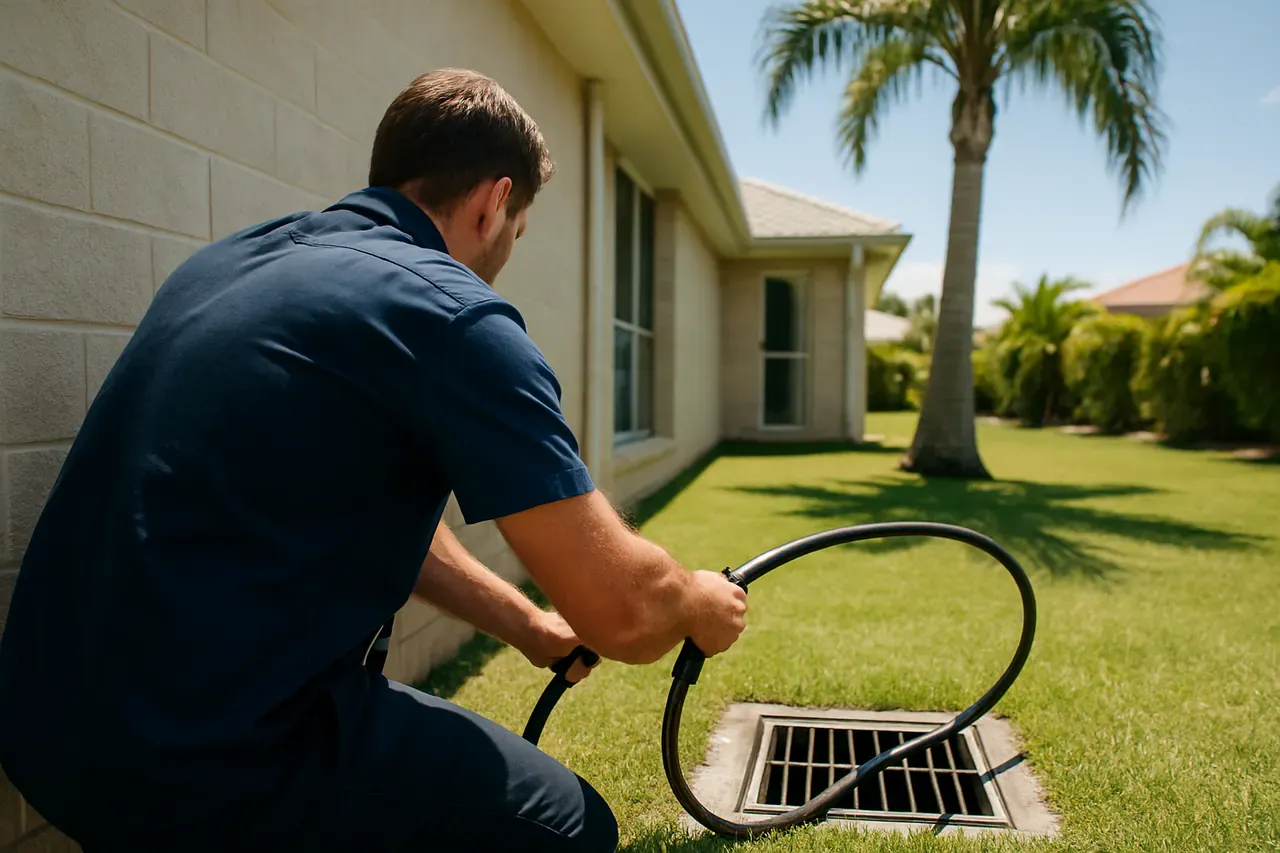
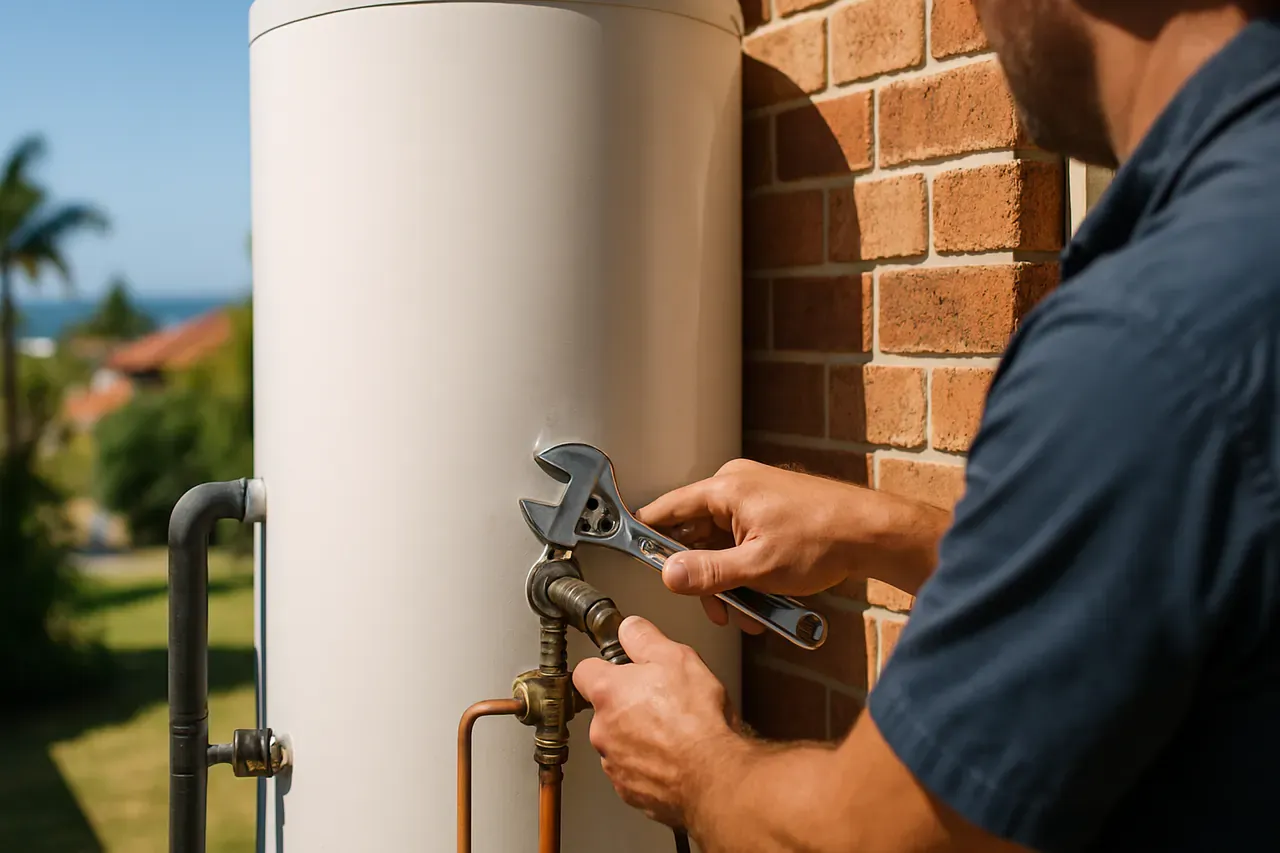
Questions From Gold Coast Hinterland Residents
How much does an emergency plumber cost in the Gold Coast Hinterland?
Emergency work is $130-170 an hour at any hour, including weekends and public holidays, with no separate call-out fee. Non-urgent after-hours work is $190-320 an hour. Parts are quoted before they are fitted; a pressure pump replacement typically runs $650-1,500 and a septic pump-out $700-1,600.
My tank water has stopped, what do I check first?
Check the power and breaker at the pump, the water level in the tank, and the line from tank to house for hissing or wet ground. If the pump is running constantly, switch it off so it does not burn out, then send the form. A licensed local plumber replies as soon as one is available.
Why does my septic flood after rain?
Septic effluent drains into trenches in the soil. After days of rain the soil is saturated, so the tank fills and backs up into the house. Treatment systems also stop when a storm cuts the power. A plumber can pump the tank down and fix the mechanical parts; trenches that flood every wet season may need an upgrade under the City of Gold Coast's on-site sewerage rules.
Who fixes a leak at the water meter in Nerang or Carrara?
The City of Gold Coast repairs leaks up to and including the meter; report them on 1300 000 928. From the meter to the house is the owner's pipe and a licensed plumber repairs it. Turn off every tap and watch the meter: if it keeps turning, the leak is on your side.
Does an emergency plumber come out to acreage at night?
Yes. The licensed local plumbers we work with take emergency jobs across the hinterland at any hour, including Bonogin, Tallebudgera Valley and Springbrook Road, at the same $130-170 an hour. Give your gate code, driveway length and whether the road floods, and the plumber tells you how long the trip will take before anything is agreed.
My aerated treatment system alarm is going off, is that an emergency?
Treat it as urgent. The alarm usually means the air blower, irrigation pump or a float has stopped, and the unit stops treating wastewater after a day or two without air. Reduce water use, do not just silence the alarm, and send the form with the make of the unit. An emergency plumber can replace the failed part; the regular service agent handles the scheduled servicing the council requires.
How do I check a plumber is licensed in Queensland?
All plumbing, drainage and gas work in Queensland must be done by a QBCC-licensed plumber or gas fitter. Ask for the licence number and check it on the QBCC's find-a-contractor search before work starts. The licensed local plumbers we work with can send the number in their first message.
Is bottled LPG covered, and what do I do if I smell gas?
Most acreage homes run on bottled LPG, and a QBCC-licensed gas fitter can repair the regulator, pigtails and pipework. If you smell gas, turn off the cylinder valve, open doors and windows and do not use switches or flames. On the Allgas network report a leak on 1800 427 532, 24 hours; for a strong smell, fire or anyone unwell, call 000 first.
The road to my property floods, can a plumber still come?
Tallebudgera Creek, the Nerang River and the valley roads do go under water in heavy rain. Say in the first message if your road is cut or likely to be, and the plumber will tell you honestly whether and when they can reach you. Never drive through floodwater; the City's floodwater safety advice and the SES on 132 500 come first.