Blocked, Overflowing, Leaking or Running: Fixed Properly
Toilets fail in small ways that become big ones. A cistern that runs all night wastes a swimming pool of water a month. A weeping seal at the base of the pan is sewage in the floor, and in an apartment it is sewage in the ceiling below. A blockage in a one-bathroom unit means nobody in the home can use the toilet until it is cleared. On the Gold Coast, where a large share of the housing is apartments, walk-up units, tenanted properties and holiday lets, toilet repairs are a daily part of emergency plumbing.
The four things that go wrong
Blockages. Most are in the pan and clear with a plunger or a short auger. The rest are further down: a blockage in the sewer line, roots in an old clay pipe in Labrador or Coolangatta, a sagged line on a canal lot in Broadbeach Waters, or wet wipes catching on a joint in a new estate in Coomera. If other drains gurgle when the toilet flushes, or the shower fills, the problem is the line, not the toilet, and the fix is the drain plumber, not a plunger.
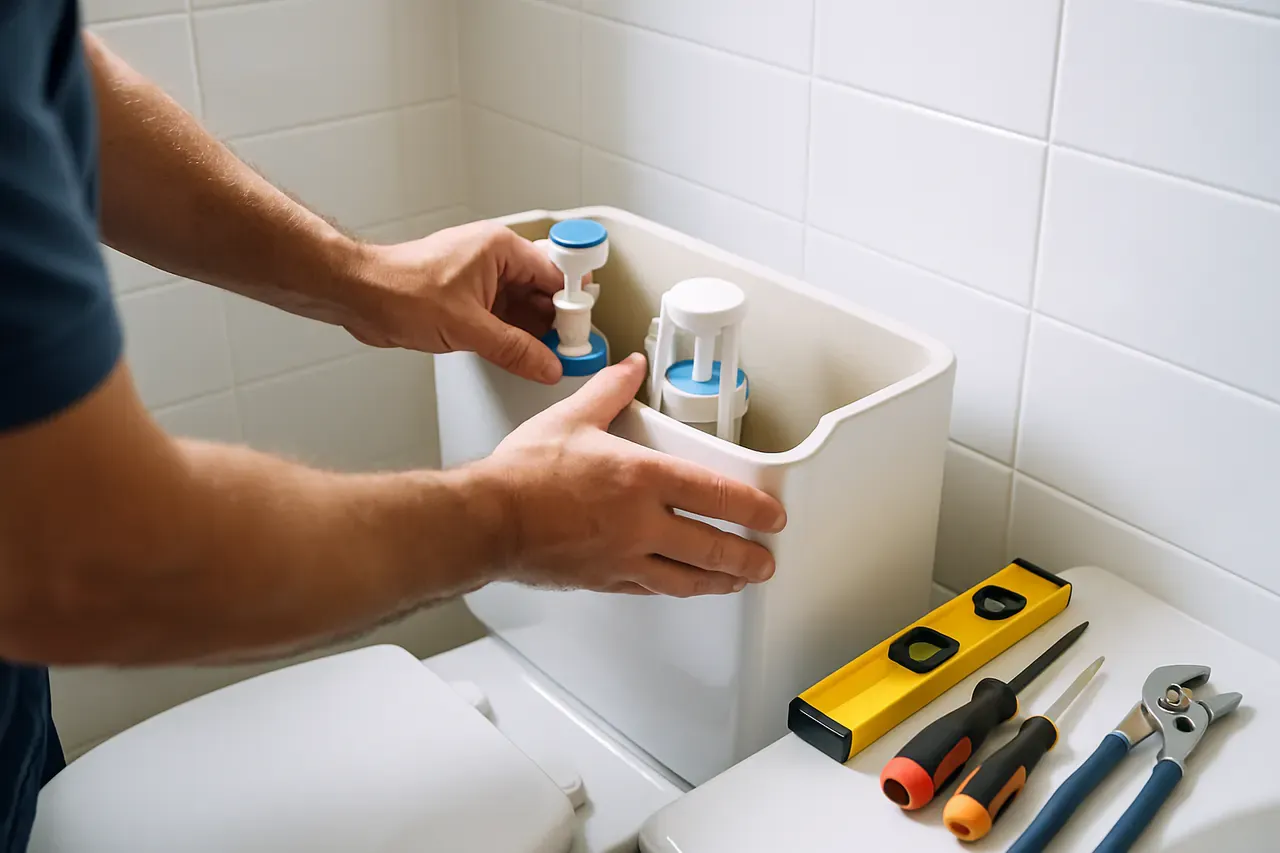
Running and refilling. The outlet valve washer at the bottom of the cistern wears and lets water leak into the bowl, so the inlet valve keeps topping up. Or the inlet valve itself fails and the cistern overflows into the overflow tube. Both are cheap parts and a fast repair.
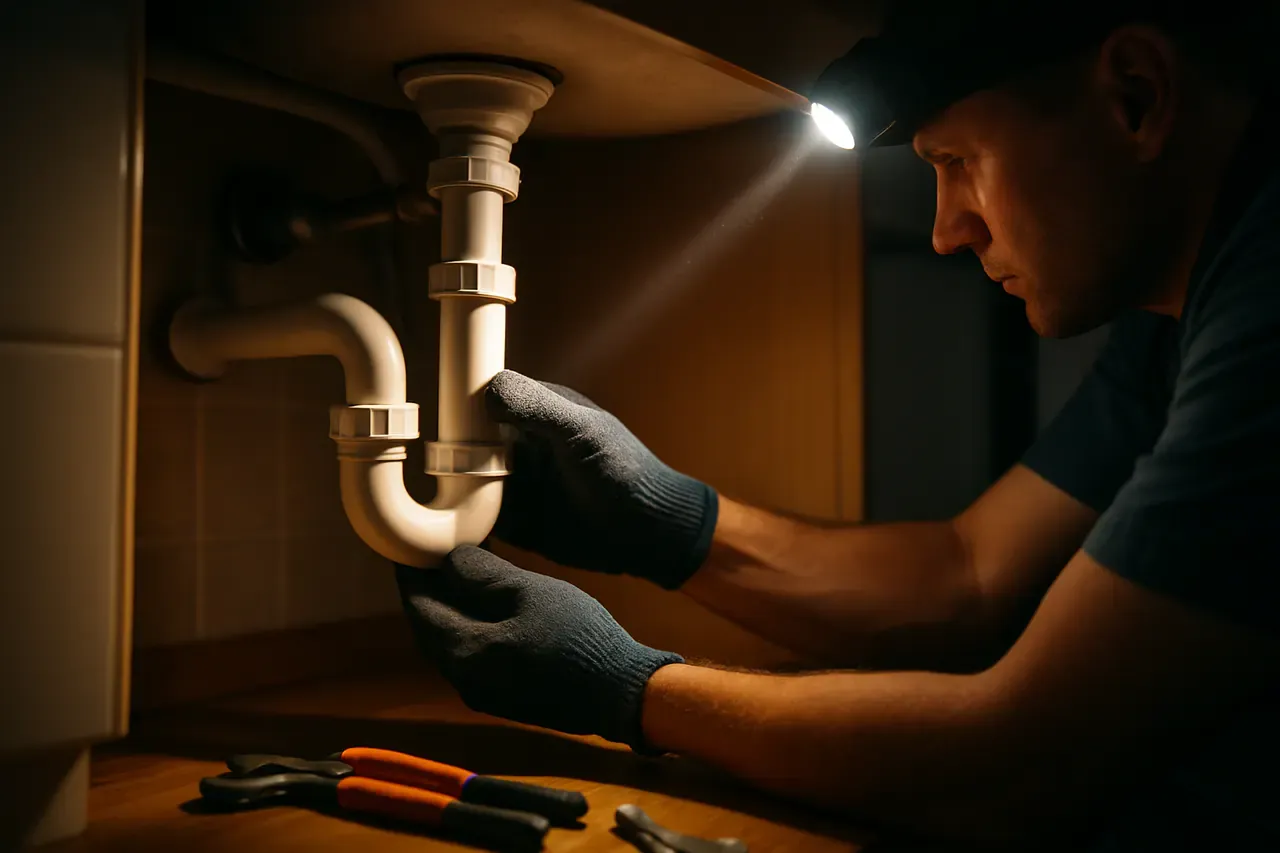
Leaks. At the base of the pan the wax or rubber seal fails and the toilet rocks; at the back the cistern connection or the flexible inlet hose weeps; a hairline crack in the pan or cistern leaks slowly. The flexi hose is the one to watch in salt-air suburbs: it corrodes like every other braided hose on the coast and lets go under mains pressure.
Age. Cracked pans, cisterns with parts no longer made, and 1970s suites with a single 11-litre flush are replaced rather than repaired, and the water saving from a modern dual-flush suite is real.
Repair on the day
The plumber isolates the water at the tap beside the cistern, finds which of the four faults it is, and gives you a price before starting. Cistern parts are carried on the van, so a running toilet is usually fixed in one visit. A failed base seal is lifted, resealed and refitted. A blocked pan is cleared with an auger; a blocked line is cleared from the gully or an inspection opening with a jetter or eel. If the toilet blocked because of the drain, the plumber will tell you honestly whether a camera inspection is worth doing to stop it happening again.
Installing a new toilet
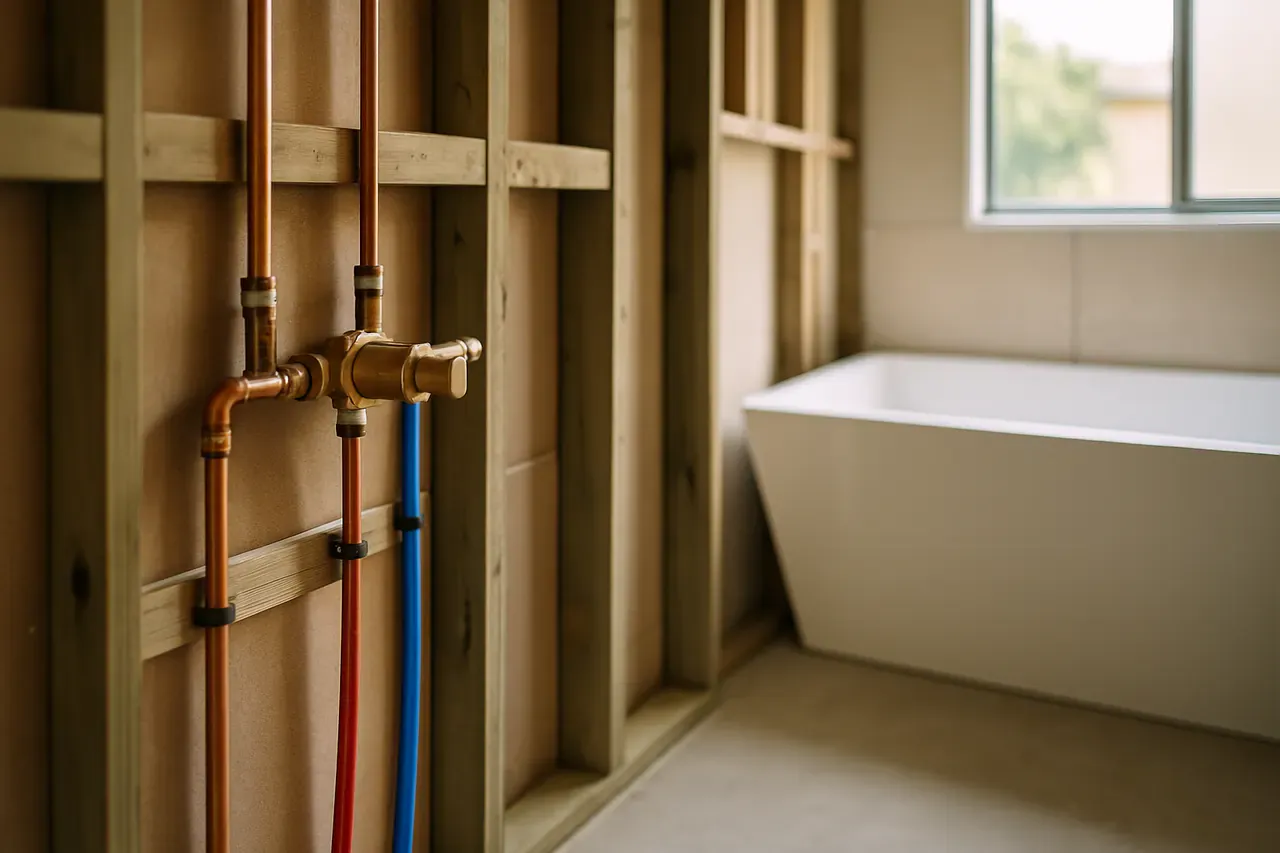
New toilet suites in Queensland must be installed by a licensed plumber, and a licence can be checked on the QBCC register. The main thing to get right is the set-out: the distance from the wall to the waste outlet, and whether the outlet is in the floor (S-trap) or the wall (P-trap), which is common in apartments and in homes built on slabs. Buying a suite that does not match the set-out is the most common reason an installation costs more than expected, so tell the plumber the model before the day or have it supplied. Back-to-wall and wall-hung suites, common in renovations in Burleigh and Mermaid Beach, need the cistern frame and the wall built for them; see bathroom plumbing for renovation work.
Apartments, tenanted properties and holiday lets
In Surfers Paradise, Broadbeach, Main Beach and Coolangatta the requests often come from building managers and holiday-let operators: a toilet is overflowing in a booked apartment, or the unit below has a stain on the ceiling. The plumber works with the manager on access, isolates the unit, fixes the fault and provides the report the body corporate and the insurer will ask for. Property managers in Labrador, Miami, Tugun and Varsity Lakes need the same paperwork, and usually a tenant on site. Dual-flush and water-saving upgrades across a block of units are done on a schedule rather than one at a time.
Accessible and compliant toilets
Toilets in accessible bathrooms, medical suites and commercial premises have height, clearance and grab-rail requirements, which are set out in the National Construction Code. The plumber can advise on and install suites that meet the standard for ambulant and accessible toilets where a fit-out requires it; for a full commercial fit-out see commercial plumbing.
What's included
- Clearing blocked and overflowing toilets, including blockages further down the line
- Cistern repairs: inlet valves, outlet valves, flush buttons and seals
- Leaks at the base, the pan collar, the cistern connection and the flexi hose
- Replacement of cracked pans and cisterns
- Supply and installation of new toilet suites, including back-to-wall and wall-hung
- Toilets for accessible bathrooms and ambulant compliance where required
- Water-saving cistern upgrades in tenanted and body corporate buildings
Signs you should act now
- The toilet is overflowing or will not clear, and it is the only one in the home
- Water on the floor around the base after every flush
- The cistern runs constantly or refills every few minutes on its own
- The flush is weak, the bowl fills higher than usual, or drains gurgle when it flushes
- A cracked pan or cistern, or a toilet that rocks on the floor
- A sewage smell in the bathroom that cleaning does not fix
One toilet in the home is an emergency
A blocked or overflowing toilet in a home or unit with a second bathroom can usually wait for a daytime call. In a home with one toilet, or with elderly residents or young children, it is treated as urgent at any hour.
What it costs
2026 Gold Coast reference ranges, labour included. The plumber confirms the price in writing before work starts.
| Cistern internals replacement (inlet and outlet valves) | $220-380 |
| Toilet pan + cistern replacement (like-for-like suite) | $850-1,800 |
Whose pipe is it: yours or the City of Gold Coast's?
Water main. The City of Gold Coast's. A leak in the street or on the footpath is theirs to fix: report it on 1300 000 928, 24 hours.
Main-to-meter pipe and the meter. The City's. It repairs the water supply system up to and including your water meter.
Pipes from the meter to the house. Yours. Every pipe and fitting on the property owner's side of the meter is the owner's to maintain and repair, including the pressure pump on a canal or tank-water home. In a tower or unit block, the pipes after the main meter belong to the body corporate.
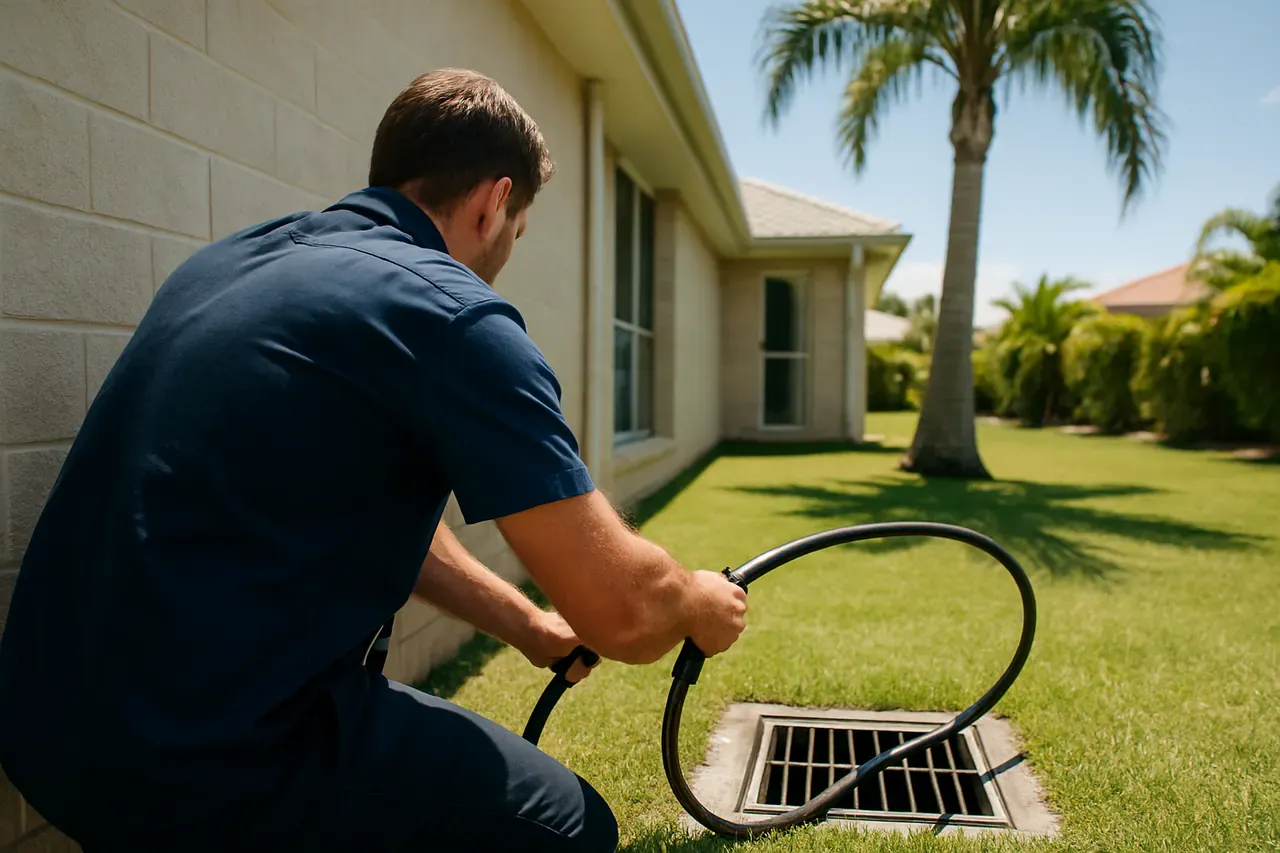
House drain and overflow relief gully. Yours, from the house to the point where your drain joins the council sewer, usually at or near your boundary. The overflow relief gully (the grated drain outside the laundry or kitchen wall) must be kept clear and working; it is the one safety valve your sewer has.
Council sewer main. The City's. Its maintenance crews repair the sewerage network around the clock, and a spill or blockage in the main is theirs to clear.
A sewer blockage is probably the City's if
- the overflow relief gully keeps overflowing while nobody is using water
- your neighbours have the same problem, or sewage is coming up in the street
- a council manhole nearby is overflowing
It is probably in your pipes if
- it only overflows when taps, toilets or showers are being used
- one toilet, sink or shower drains slowly and the neighbours are fine
- your home is on a canal lot or old clay drains and it has blocked before
Frequently asked questions
Why does my toilet keep running?
A toilet that runs or refills on its own has a worn outlet valve washer letting water leak from the cistern into the bowl, or an inlet valve that is not shutting off. Both are cheap parts and a quick repair, and a running toilet can waste hundreds of litres a day, which shows up on the water bill.
My toilet is blocked. Can I use a plunger first?
Yes, a plunger with a good seal clears many simple blockages. Do not keep flushing while it is blocked, and do not pour chemical drain cleaners into a toilet; they rarely work on solids and make the job unpleasant for the plumber. If the plunger does not clear it, or other drains gurgle when you try, the blockage is further down the line and needs a plumber.
There is water around the base of the toilet. Is that serious?
Yes. Water at the base means the seal between the pan and the drain has failed, the pan is cracked, or the cistern connection is leaking down the back. Each of those leaks sewage or clean water into the floor and, in an apartment, into the ceiling below. Stop flushing and call.
Do you install new toilet suites?
Yes, including back-to-wall, wall-hung and standard suites, and replacements where the old pan set-out does not match the new one. New suites must be installed by a licensed plumber in Queensland. You can buy the suite yourself or have it supplied; either way, tell the plumber the model so the set-out is checked before the day.
Do body corporates and landlords need anything special?
Property managers and body corporates usually need the work documented and invoiced to the agency or the scheme, and access arranged with a tenant. Water-saving cisterns and dual-flush upgrades are common in tenanted properties. The plumber provides the paperwork the agency needs.